
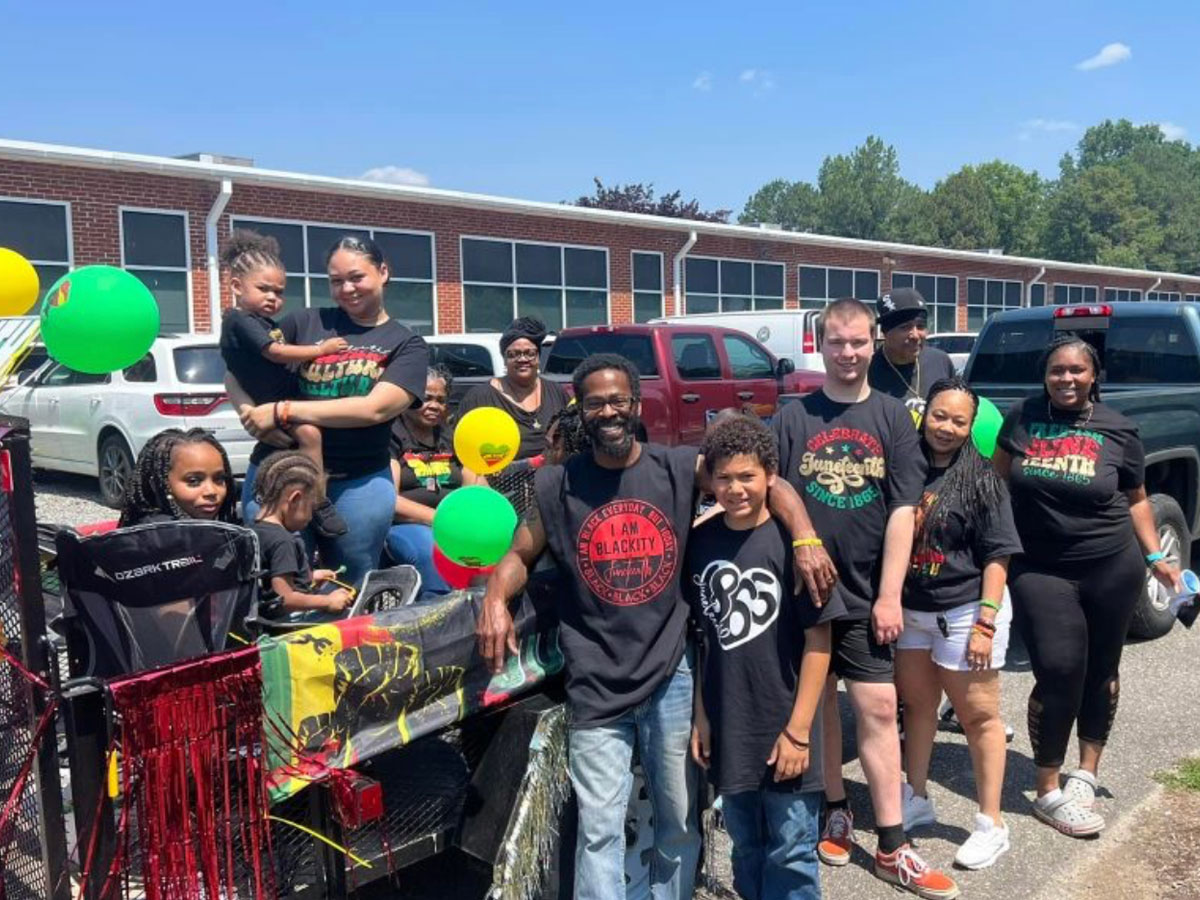
On a crisp spring morning, Jamal stood at the door of the center with his jacket zipped and his baseball cap pulled low. He had been hearing about the group’s upcoming visit to the local farmer’s market all week. For him, this wasn’t just a trip to buy fresh produce. It was a chance to explore his neighborhood in a way he hadn’t before, to practice the skills he’d been working on in life skills sessions, and to share the day with friends.
From the staff side, Sarah was equally excited. She’d seen how outings could transform an ordinary week into one filled with anticipation and connection. “It’s not about where we go,” she said. “It’s about what we do with the time when we get there — and how those moments ripple back into everyday life.”
That’s the heart of meaningful outings in day programs. They’re more than just a change of scenery. They’re opportunities to build independence, connect with the community, and create lasting memories.
Outings provide real-world opportunities to practice social skills, navigate public spaces, and make choices in the moment. They help participants feel like valued members of their community, not just visitors passing through.
For some, the outing may be as simple as sitting in a park, watching the world go by, and greeting passersby. For others, it’s taking on a more active role — ordering a drink at a café, choosing an item to purchase at a store, or asking a question at a museum.
These moments matter because they build confidence. The next time someone heads into a public space, they carry the memory of success with them.
And for families, meaningful outings are reassurance. They know their loved one is not just cared for, but also engaged in the life of the community.
The most engaging outings are often the simplest — places close to home that can be visited regularly. Familiarity builds comfort, and repeated visits allow participants to form connections with people and places.
Parks and Nature Trails
Visiting a local park can be as relaxed as enjoying a picnic or as active as joining a community walking group. For some, these visits are about exercise and fresh air; for others, they’re about sensory exploration. The crunch of gravel underfoot, the scent of pine trees, the sound of birds overhead — these experiences awaken curiosity and calm.
Maria discovered a love for birdwatching on these trips. At first, she joined the group simply to get outside. But one day, she noticed a bright flash of red in a nearby tree — a cardinal. That single moment sparked a new hobby. Now, Maria brings a small pair of binoculars and a notebook to every park visit, keeping track of each bird she sees. Over time, she became the unofficial guide for others in her group, pointing out species and sharing facts she’s learned from library books.
The farmer’s market is a feast for the senses. Stalls overflowing with colorful produce invite touch and smell. Friendly vendors greet visitors, offering samples of fresh fruit or baked goods.
For participants, it’s a chance to practice budgeting and decision-making. Jamal, who was excited for his first visit, set himself a goal: buy one vegetable he had never tried before. After talking with a vendor, he chose a bundle of asparagus. Back at the center, he helped prepare it for lunch, learning how to wash, trim, and cook it.
The local library is far more than a place to borrow books. Many host art exhibits, film screenings, and guest speakers. For quieter participants, a library visit can be restorative, offering a calm environment where they can still feel part of the community.
Lena, a participant who often finds large crowds overwhelming, enjoys attending the library’s weekly craft group. It’s a small gathering, but she’s formed friendships there, and she’s gained the confidence to share her creations during group discussions.
Gardening projects outside the center provide tactile engagement and a sense of accomplishment. Soil crumbling between fingers, the scent of basil or mint, the sight of a new sprout pushing through the earth — these moments are small but deeply rewarding.
One group from the center partnered with a local community garden to maintain a raised bed. Participants chose what to plant, watered the soil, and checked for weeds. By mid-summer, they were harvesting cherry tomatoes and lettuce, proud to bring them back for a shared lunch.
Volunteering builds confidence and a sense of purpose. Whether helping at an animal shelter, sorting donations at a food bank, or assisting at a church event, these outings allow participants to contribute meaningfully.
A group from the center regularly visits a community kitchen to help prepare meals. At first, some were nervous about working in a bustling environment. But with gentle support, they learned to follow recipes, portion food, and interact with kitchen staff. Now, they look forward to each visit, greeting familiar faces and seeing the direct impact of their work.
While everyday outings build consistency, larger events add excitement and variety. These might happen monthly or quarterly, giving participants something to anticipate.
Museums offer a rich blend of visual and interactive experiences. For some participants, seeing a painting up close or handling an artifact during a guided program sparks new interests.
Before visiting an art gallery, staff often prepare participants with pictures and stories about the exhibits they’ll see. This not only builds anticipation but also helps them feel more confident when navigating the space.
One participant, David, discovered a fascination with sculpture after a trip to a local museum. Back at the center, he began working with clay, creating pieces inspired by what he had seen.
Live performances — plays, musicals, or dance shows — can be thrilling. The lights, music, and storytelling create a shared experience that sparks conversation long after the curtain falls.
Some theaters offer sensory-friendly performances, with adjusted lighting and sound levels, to make the experience more comfortable for all audience members. The center often takes advantage of these showings, allowing everyone to enjoy the arts without feeling overwhelmed.
From summer street fairs to winter holiday markets, seasonal events immerse participants in community traditions. There’s music in the air, food to sample, and crafts to admire.
At last year’s autumn fair, participants from the center entered a pumpkin-decorating contest. They didn’t win first prize, but their creative designs drew plenty of compliments, and the experience gave them a sense of pride and belonging.
Every outing, whether large or small, is an opportunity to build life skills.
Ordering a snack at a café becomes a lesson in communication and money handling. Navigating a bus route turns into practice for reading schedules and planning ahead. Asking a question at a museum becomes a confidence-building moment in public interaction.
These skills don’t stay behind when the outing ends. Participants living in New Point’s group homes carry over into evening activities and weekend plans. For those receiving nursing or health monitoring, outings are adapted to ensure their physical well-being while still allowing full participation.
Staff are the bridge between planning and experience. They prepare participants by explaining where they’re going, what they’ll see, and how the day will unfold. They provide support in the moment but step back to allow independence whenever possible.
Angela, a day program coordinator, says, “Sometimes our best work is done when we’re not doing much at all, just watching someone find their way, make their choice, and own that moment.”
Families love hearing about what happens during outings. Staff often share photos or short stories about the day’s highlights, giving loved ones a window into those experiences.
One parent shared, “My son comes home talking about the people he met and the places he’s been. These are experiences he wouldn’t have without the center — and they’ve made him more confident everywhere he goes.”
When participants are visible in their communities, it challenges stereotypes and builds understanding. Local shop owners learn names, park staff wave hello, and neighbors start conversations.
Over time, these outings become more than visits. They become threads in the fabric of a participant’s life, strengthening their sense of belonging.
People with intellectual and developmental disabilities have specific preferences, needs, and abilities. It is important to create an environment that is tailored to their changing needs and that allows them to thrive.
At New Point Life Services, we offer a supportive and empowering community where each person is encouraged to have their own goals and vision towards a meaningful life. Through positive behavior support, social skills development, and health maintenance and monitoring, we help individuals build confidence, connections, and independence, whether it’s on a short walk to the park or an exciting trip to a seasonal festival.
Our legacy is founded in being a place where individuals are able to receive intentional care through day and residential services. We believe through our services that anyone whether individual, staff, community partner, and/or families are able to find security and safety at New Point Life Services.