
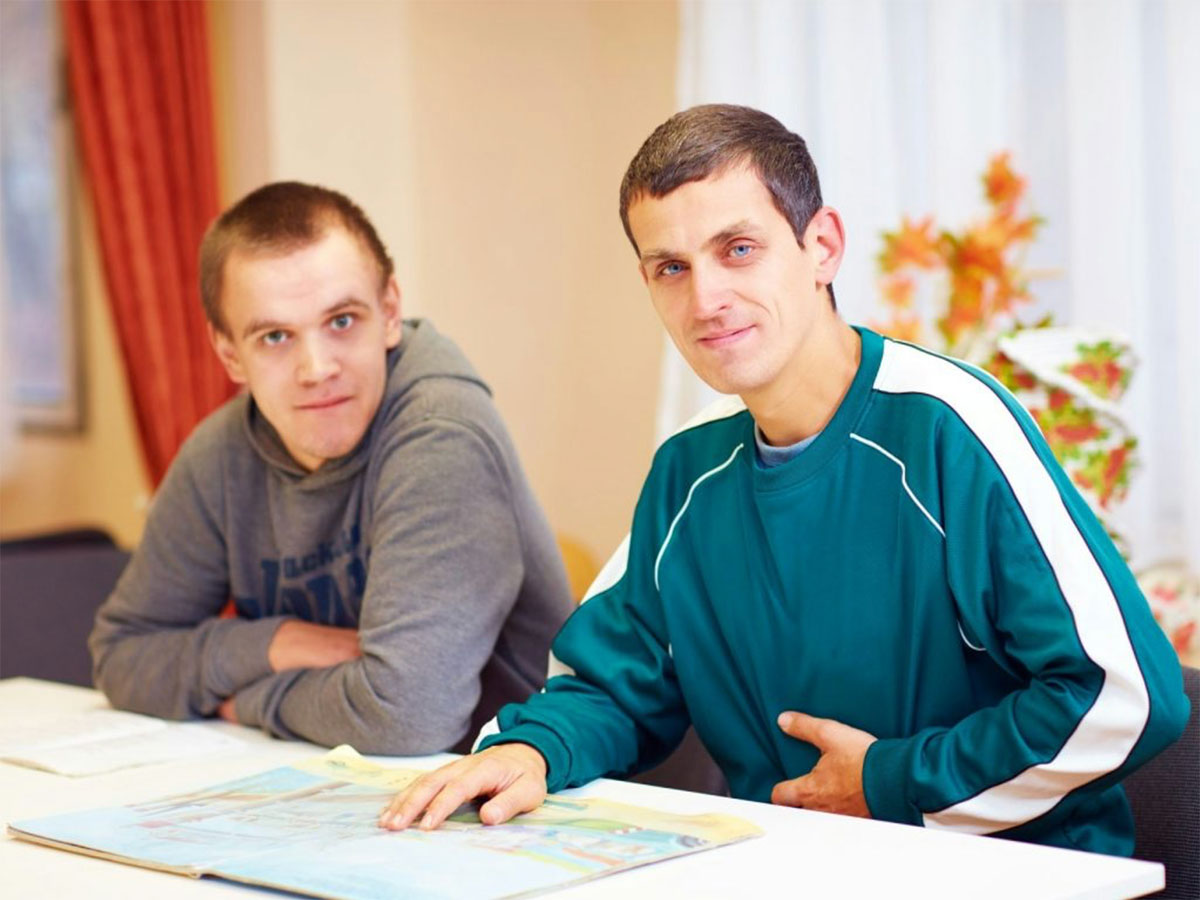
One morning, as participants arrived at a day service program, a young man walked straight to the art table. Without hesitation, he reached for his favorite colored pencils and began sketching a familiar scene he had been working on all week. Staff smiled knowingly—they had seen how this predictable start to the day set the tone for everything else that followed. Later, when it was time to transition into group exercise, he joined willingly, confident in the flow of the day because he trusted what would come next.
This small story captures the power of routine and structure. For individuals with intellectual and developmental disabilities, predictability offers more than just order—it offers security, confidence, and the freedom to focus on learning, relationships, and growth. In day services, the way time is structured has profound effects on how people experience each moment, how they participate, and how they thrive.
Routine is a quiet but powerful anchor. It provides a rhythm to the day, helping people feel grounded and prepared. For individuals who may struggle with changes or uncertainty, knowing what comes next can reduce anxiety and make space for engagement.
Imagine the difference between waking up not knowing where you’re going, what you’ll be doing, or who you’ll see—and waking up with the comfort of familiar faces and a trusted sequence of activities. The second scenario fosters calm and readiness. That is what routine brings to day services: a foundation upon which confidence and growth can be built.
Structure in day services doesn’t mean rigidity. Instead, it means intentional design of the day, with clear beginnings, transitions, and endings. Predictable patterns help participants learn to manage time, prepare for change, and take ownership of their schedules.
For example, one young woman who initially resisted group transitions learned to anticipate them through visual schedules and verbal cues. Over time, she began to move independently to the next activity, no longer needing reminders. What started as staff support evolved into personal responsibility—her structure became her independence.
A participant who once became overwhelmed by sudden changes began to thrive when staff introduced consistent routines. Each morning started with a circle where everyone shared something simple, like what they had for breakfast. This ritual eased participants into the day, creating predictability while fostering social interaction.
Another participant discovered joy in daily exercise sessions. At first reluctant, he grew more confident as the routine became familiar. Eventually, he looked forward to leading warm-up stretches for the group, a responsibility that gave him pride and purpose. Both stories show that structure doesn’t confine—it empowers.
While structure is vital, flexibility is equally important. Life is unpredictable, and day services must prepare participants to handle unexpected changes with resilience. The best programs blend routine with gentle exposure to variety, helping individuals adapt without distress.
For instance, a program might keep morning activities consistent but vary afternoon outings—visiting a library one week and a park the next. The core structure remains intact, but the flexibility introduces growth. Participants learn that change can be safe, even enjoyable, when supported within a familiar framework.
Behind every well-run program is a team of staff who understand the nuances of routine. They know when to stick closely to schedules and when to adapt. They recognize signs of discomfort and offer reassurance during transitions. They use tools like visual aids, countdowns, and verbal prompts to help participants prepare for what’s next.
One staff member described how she always announced changes with kindness, saying, “We’re doing something new today, and I’ll be with you the whole time.” This simple assurance transformed potential stress into curiosity. Staff are not only facilitators of activities—they are guardians of safety and trust within structured environments.
Routine activities—morning greetings, mealtime rituals, group circles—may seem ordinary, but they carry extraordinary weight. Each repetition reinforces skills and builds confidence.
Take the example of cooking groups. By repeating familiar recipes each week, participants gain mastery. They learn measurements, sequencing, and safety practices until the steps become second nature. This repetition builds not just cooking skills, but also the confidence to try new tasks at home.
Confidence thrives in predictability because success becomes repeatable. Each time someone achieves within a familiar routine, their belief in themselves deepens.
Families often share how structure in day services carries over into home life. Parents may notice that their child now follows a bedtime routine more smoothly, or that they anticipate chores without prompting. Siblings might remark that family board games are easier because their brother or sister has learned patience and turn-taking in structured group activities.
One family expressed joy when their daughter began setting the table every evening, a habit she developed from her day program’s structured meal prep sessions. What happened in the program enriched the entire household, showing how routines build bridges between settings.
For many participants, structure is reinforced through visual aids, sensory cues, and clear signals. Picture schedules, color-coded calendars, or tactile objects can make routines tangible and accessible. These tools empower individuals to track their own day, reducing reliance on verbal directions and enhancing independence.
A participant once carried a laminated card showing their daily routine. Crossing off activities brought a sense of accomplishment and control. This small tool turned structure into empowerment, demonstrating how supports can transform routine from something imposed into something owned.
Routine extends beyond program walls. Outings are often more successful when they are planned within a structured framework. Preparing participants in advance, practicing steps, and reflecting afterward all build confidence for navigating the wider world.
For example, grocery store visits followed the same pattern each week: making a list, traveling together, shopping with staff support, and checking out. Over time, participants grew confident enough to complete parts of the process independently. The structure of the outing didn’t limit freedom—it expanded it by creating a pathway to independence in the community.
Even with structure, challenges arise. A fire drill may interrupt activities. A staff absence may change the flow of the day. In these moments, participants practice resilience, learning that while structure provides comfort, adaptability is also part of life.
Programs that handle disruptions with calm assurance model problem-solving. When staff respond with patience, participants learn that changes are manageable, not frightening. Over time, this balance of structure and adaptability builds confidence for real-world unpredictability.
Celebration is a natural extension of structure. Marking the completion of daily activities—whether through applause, verbal praise, or shared smiles—reinforces routine as meaningful. Participants feel valued not only for outcomes but also for participation and perseverance.
One program closed each day with a reflection circle, where participants shared something they enjoyed or accomplished. This simple ritual turned routine into celebration, sending everyone home with a sense of pride and connection.
Routine and structure are not limitations—they are scaffolding. They provide the stability from which confidence, independence, and growth can emerge. In day services, structured activities, predictable rhythms, and thoughtful flexibility create environments where individuals not only learn but thrive.
At New Point Life Services, we recognize that each individual has unique preferences and needs. That’s why we design our programs to balance routine with flexibility, offering predictability while empowering individuals to explore new opportunities. Through positive behavior support, social skills development, and health maintenance, we ensure that every participant feels secure, valued, and encouraged to grow.
Because when routine and structure are built with compassion and respect, they become more than schedules—they become pathways to meaningful lives.
Our legacy is founded in being a place where individuals are able to receive intentional care through day and residential services. We believe through our services that anyone whether individual, staff, community partner, and/or families are able to find security and safety at New Point Life Services.