
When a mother first walked into a day service center with her son, she carried more than just a folder of intake paperwork. She carried years of hope, worry, and unanswered questions. Would this be the right place? Would he feel safe here? Would he make friends, learn new things, and feel proud of himself?
Her son clung to her hand tightly as the staff greeted them warmly. They toured the art room where participants were painting together, the kitchen where a group was learning to cook, and the common area where people laughed over a board game. Slowly, his grip loosened. He looked up at his mother and whispered, “I think I like it here.”
That single sentence carried the weight of relief and reassurance. For his mother, it wasn’t just about choosing a program—it was about finding a community where her son could thrive.
Every family searching for the right day service faces this same journey. It is a decision that can feel overwhelming, but when approached with care, it becomes an opportunity to open doors to growth, confidence, and joy.
Day services are more than a place to spend time; they are environments designed to nurture independence, learning, and community connection. Programs vary in their focus, but many include life skills training, social opportunities, creative outlets, and vocational experiences.
When families begin their search, it’s important to understand that no two programs are identical. Some emphasize community outings, others highlight skill development, and many weave together a blend of services tailored to individual needs. Knowing what is offered helps families align the program’s strengths with their loved one’s goals.
Every individual with intellectual and developmental disabilities has unique strengths, preferences, and challenges. A program that works beautifully for one person may not meet the needs of another. The right fit depends on personality, communication style, learning preferences, and interests.
One young woman blossomed in a program that offered abundant art and music opportunities because creative expression matched her strengths. Another young man thrived in a program that prioritized community volunteering, as it gave him a sense of purpose and visibility. The “right” program is not about prestige or size—it’s about alignment with the person’s identity and goals.
When choosing a day service, families should start by asking: What do we hope this experience will bring? For some, it’s about building social connections and friendships. For others, it’s learning life skills that foster independence at home. For many, it’s about confidence and belonging.
One father shared how his son’s primary goal was learning money management. By choosing a program with structured budgeting activities, he saw his son progress from counting coins to confidently making purchases in the community. That growth was only possible because the program aligned with his specific aspirations.
The people who work within day services are at the heart of their success. Staff are not simply supervisors; they are mentors, encouragers, and partners in growth. Families should look for programs where staff demonstrate warmth, patience, and respect—where individuals are addressed by name, listened to, and celebrated.
During one visit, a parent noticed a staff member kneeling to be eye-level with a participant, giving their full attention. That single act of respect told her more about the program’s culture than any brochure ever could. The relationship between staff and participants often shapes the entire experience.
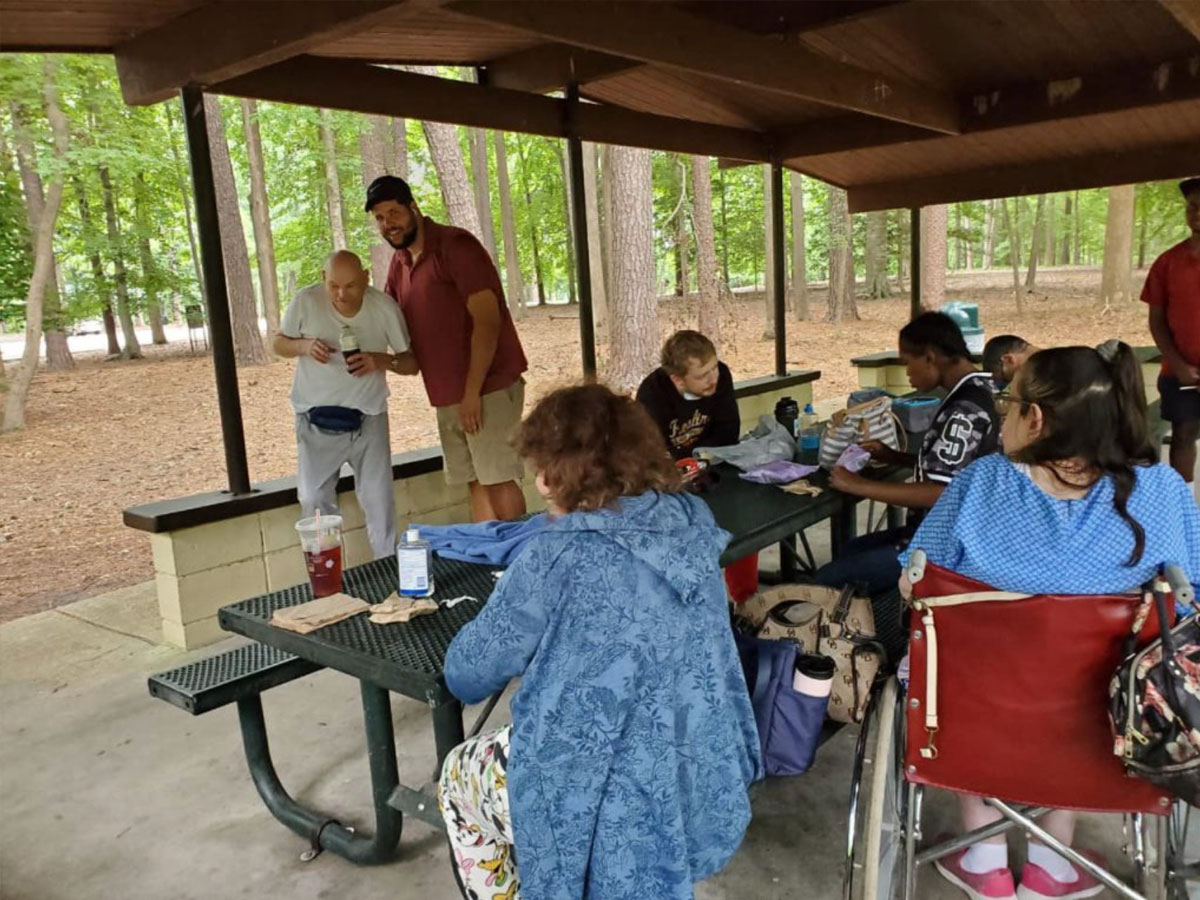
Confidence, joy, and independence are built through interaction. Families should look for programs that create opportunities for peer connection and community engagement. Whether through shared group activities, outings to local businesses, or volunteering in the community, these experiences help participants practice skills and feel a sense of belonging.
One program partnered with a local library to host regular visits. Over time, participants not only borrowed books but also began greeting staff, asking questions, and even volunteering at events. The library became a second home, and confidence grew naturally in this inclusive environment.
While creativity and freedom are important, so are safety and structure. Families should ask about policies, supervision ratios, emergency preparedness, and health monitoring. A well-run program balances flexibility with predictability, creating an environment where participants can try new things without fear.
A mother once described how her peace of mind came from knowing her daughter’s program had a clear plan for medical support. This reassurance allowed her to focus on celebrating her daughter’s growth instead of worrying about safety.
Too often, decisions about services are made for individuals instead of with them. Families can empower their loved one by including them in tours, asking their opinions, and noticing how they respond to each environment. Body language, facial expressions, and enthusiasm speak volumes.
One young man visited several programs with his parents. At one, he remained withdrawn. At another, he smiled, joined a game, and asked if he could come back tomorrow. His parents knew instantly which program was the right choice—not because of brochures, but because of his reaction.
Walking into a program often tells you what you need to know. Are participants engaged and smiling? Is the atmosphere welcoming and respectful? Do staff greet families warmly and invite questions?
First impressions may not reveal everything, but they often reveal the culture. A program filled with laughter and warmth usually reflects a foundation of inclusion and community.
Day services do not replace family involvement; they expand it. The strongest programs view families as partners, maintaining open communication, sharing progress, and inviting input. Families should feel welcome to ask questions, receive updates, and collaborate with staff.
One program regularly invited families to monthly gatherings where participants could showcase projects and activities. These events not only celebrated progress but also strengthened the bond between families and staff, reinforcing a sense of community.
Practical considerations also play a role: transportation, scheduling, cost, and location. Families should explore whether transportation is provided, if schedules align with family needs, and how funding options can support participation. These details, while less emotional, are vital to ensuring long-term sustainability.
A family once chose a smaller program closer to home rather than a larger one across town. The convenience reduced stress and ensured their daughter’s consistent participation, which ultimately mattered more than prestige.
The best programs are not static—they evolve with participants. Families should look for day services that set goals, track progress, and adjust supports as individuals grow. Development is not a one-time event but a lifelong journey, and programs that adapt create space for continued confidence and independence.
One participant began with basic cooking lessons and eventually moved on to leading a group meal prep session. This growth was possible because the program recognized her potential and expanded opportunities as her confidence grew.
Choosing a day service program is more than a logistical decision—it is an act of trust, love, and hope. It is about finding a community where your loved one can be seen, heard, and celebrated.
At New Point Life Services, we believe people with intellectual and developmental disabilities deserve environments that honor their individuality while encouraging growth. Our programs focus on positive behavior support, social skills development, and health monitoring, all within a community built on respect and empowerment.
The right program is one where your loved one doesn’t just attend—they belong. Where they don’t just learn—they thrive. And where families don’t just hope for growth—they witness it unfolding every day.
Our legacy is founded in being a place where individuals are able to receive intentional care through day and residential services. We believe through our services that anyone whether individual, staff, community partner, and/or families are able to find security and safety at New Point Life Services.